
Sleep is not a passive state of rest. It is one of the most complex biological processes in the human body—governing memory, metabolism, immunity, emotional regulation, and longevity. Modern sleep science has revealed that sleep quality is just as important as sleep duration, and that chronic sleep disruption quietly increases the risk of nearly every major disease.
This pillar guide breaks down the science of sleep in a clear, evidence-based way: how sleep works, what happens when it breaks down, and how to optimize sleep using principles grounded in physiology—not trends.
What Is Sleep Science?
Sleep science is the interdisciplinary study of how and why organisms sleep. It combines neuroscience, endocrinology, chronobiology, psychology, and physiology to understand sleep’s role in health and performance.
Researchers study:
- Brain activity during sleep
- Hormonal regulation and circadian timing
- Sleep stages and architecture
- The impact of sleep loss on cognition and disease
- Environmental and behavioral influences on sleep quality
Institutions such as the National Sleep Foundation and the American Academy of Sleep Medicine translate this research into clinical guidelines and public health recommendations.
Why Sleep Is Biologically Essential
Sleep is not optional recovery time. It is active biological maintenance.
During sleep, the body:
- Consolidates short-term memories into long-term storage
- Clears metabolic waste from the brain
- Regulates appetite and insulin sensitivity
- Repairs muscle tissue and cellular DNA
- Rebalances stress hormones
- Calibrates immune responses
Even modest sleep deprivation disrupts these processes. After just one short night, reaction time, emotional control, and glucose regulation measurably decline.
The Architecture of Sleep
Sleep unfolds in structured cycles that repeat roughly every 90 minutes. Each cycle contains distinct stages with unique neurological functions.


Non-REM Sleep
Non-REM sleep makes up about 75–80% of total sleep time and is divided into three stages:
Stage N1 (Light Sleep)
- Transition between wakefulness and sleep
- Easily disrupted
- Muscle activity slows
Stage N2 (Core Sleep)
- Heart rate and body temperature drop
- Sleep spindles and K-complexes appear
- Memory processing begins
Stage N3 (Deep Sleep / Slow-Wave Sleep)
- Dominated by delta brain waves
- Physical restoration peaks
- Growth hormone release is highest
- Immune repair accelerates
REM Sleep
REM (Rapid Eye Movement) sleep is characterized by:
- Vivid dreaming
- Near-paralysis of voluntary muscles
- High brain activity resembling wakefulness
REM sleep plays a central role in:
- Emotional regulation
- Creativity and problem-solving
- Integrating complex memories
Disrupting REM sleep is strongly linked to mood disorders and impaired learning.
Circadian Rhythm: The Body’s Internal Clock
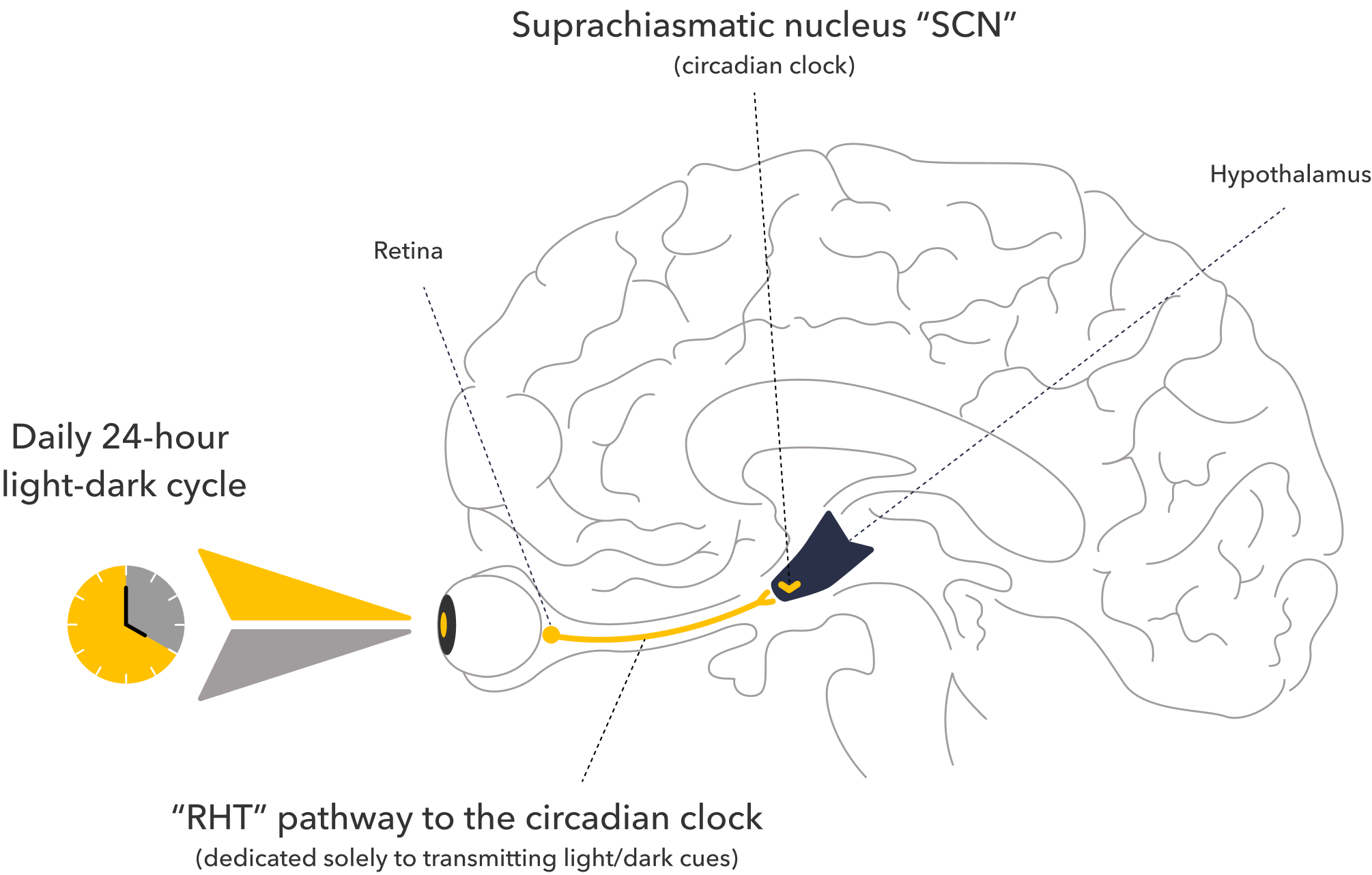
Your circadian rhythm is a roughly 24-hour biological timing system that governs sleep, alertness, hormone release, digestion, and body temperature.
It is controlled by the suprachiasmatic nucleus (SCN) in the brain, which synchronizes internal rhythms to external cues—primarily light.
Key Circadian Signals
- Melatonin rises in darkness, signaling sleep readiness
- Cortisol peaks in the morning, promoting alertness
- Body temperature drops at night, facilitating sleep onset
Artificial light, shift work, and irregular schedules can desynchronize circadian rhythms, leading to chronic sleep problems even when total sleep time seems adequate.
Sleep Duration vs Sleep Quality
For decades, sleep advice focused almost exclusively on duration. Sleep science now makes it clear: quality matters as much as quantity.
High-quality sleep includes:
- Rapid sleep onset (within ~20 minutes)
- Minimal nighttime awakenings
- Adequate time in deep and REM sleep
- Consistent sleep timing
Someone sleeping 8 hours with fragmented cycles may be more impaired than someone sleeping 6.5 hours of consolidated sleep.
The Consequences of Poor Sleep
Chronic sleep disruption has compounding effects across nearly every system in the body.
Cognitive and Emotional Effects
- Reduced attention and working memory
- Impaired decision-making
- Heightened emotional reactivity
- Increased anxiety and depression risk
Metabolic and Cardiovascular Effects
- Increased insulin resistance
- Elevated blood pressure
- Higher risk of obesity
- Disrupted appetite hormones (leptin and ghrelin)
Immune and Longevity Effects
- Reduced antibody response
- Increased inflammation
- Slower tissue repair
- Shortened lifespan in long-term studies
Sleep loss does not just make you tired—it shifts the body toward a chronic stress state.
Common Sleep Disorders Explained


Insomnia
Insomnia involves difficulty falling asleep, staying asleep, or waking too early despite adequate opportunity for sleep.
Common contributors:
- Hyperarousal of the nervous system
- Anxiety around sleep
- Irregular schedules
- Excessive nighttime light exposure
Sleep Apnea
Sleep apnea is marked by repeated breathing interruptions during sleep, reducing oxygen levels and fragmenting sleep architecture.
Key signs:
- Loud snoring
- Gasping or choking at night
- Excessive daytime sleepiness
Untreated sleep apnea significantly increases cardiovascular risk.
Circadian Rhythm Sleep Disorders
These occur when sleep timing is misaligned with societal demands, such as:
- Delayed sleep-wake phase disorder
- Shift work disorder
- Jet lag
Treatment focuses on light timing, melatonin regulation, and schedule consistency.
How Light Shapes Sleep More Than Any Other Factor
Light is the strongest environmental regulator of sleep.
Morning Light
- Anchors circadian rhythm
- Advances melatonin offset
- Improves nighttime sleep drive
Evening Light
- Suppresses melatonin
- Delays sleep onset
- Fragments REM sleep
Blue-wavelength light from screens is especially disruptive because it directly targets circadian photoreceptors.
Sleep science consistently shows that light timing matters more than light intensity.
The Role of Temperature in Sleep Quality
Core body temperature naturally drops at night. Supporting this decline improves sleep onset and depth.
Optimal sleep conditions:
- Room temperature: ~60–67°F (15–19°C)
- Warm extremities (hands and feet)
- Cool core body temperature
Hot environments reduce deep sleep and increase nighttime awakenings.
Nutrition, Caffeine, and Alcohol: What the Science Says
Caffeine
- Blocks adenosine, the chemical that drives sleep pressure
- Can affect sleep up to 8–10 hours after consumption
- Reduces deep sleep even if you fall asleep easily
Alcohol
- Sedative, not a sleep aid
- Suppresses REM sleep
- Increases nighttime awakenings
- Fragments sleep cycles
Timing Matters More Than Content
Late meals, especially high-fat or high-sugar foods, can impair sleep by elevating body temperature and metabolic activity.
Exercise and Sleep: A Bidirectional Relationship
Regular physical activity improves sleep depth, efficiency, and circadian alignment.
Key findings:
- Morning and afternoon exercise improve sleep onset
- Intense late-night exercise may delay sleep in some people
- Resistance training increases slow-wave sleep
Sleep and exercise reinforce each other—poor sleep reduces exercise performance, while inactivity worsens sleep quality.
Evidence-Based Sleep Optimization Strategies
Sleep science favors behavioral consistency over hacks.
Core Principles
- Consistent wake time (even on weekends)
- Morning light exposure
- Dark, cool sleep environment
- Wind-down routine before bed
- No clock-watching at night
Cognitive Behavioral Therapy for Insomnia (CBT-I)
CBT-I is the gold-standard treatment for chronic insomnia and outperforms medication long-term by retraining sleep-wake associations and reducing hyperarousal.
The Future of Sleep Science
Emerging areas of research include:
- Personalized sleep recommendations using genetics
- Wearable-based sleep stage validation
- Gut microbiome–sleep interactions
- Sleep’s role in neurodegenerative disease prevention
As research evolves, one conclusion remains stable: sleep is foundational, not negotiable.
Final Thoughts: Why Sleep Science Matters More Than Ever
Sleep is the silent regulator of health. It influences how you think, feel, perform, and age—often invisibly, until the system breaks.
Understanding sleep science empowers you to:
- Prevent chronic disease
- Improve mental clarity and mood
- Enhance physical performance
- Extend healthspan, not just lifespan
In a culture that glorifies busyness, sleep science delivers a radical message: rest is not weakness—it is biology.
Sleep Science FAQ
What is sleep science?
Sleep science is the scientific study of how sleep works, why humans need sleep, and how sleep affects physical health, brain function, and emotional regulation. It combines neuroscience, biology, psychology, and chronobiology to understand sleep stages, circadian rhythms, and sleep disorders.
How many hours of sleep do adults need?
Most adults need 7–9 hours of sleep per night, according to large-scale sleep research. However, sleep quality, consistency, and time spent in deep and REM sleep are just as important as total duration.
What happens to the brain during sleep?
During sleep, the brain:
- Consolidates memories
- Clears metabolic waste through the glymphatic system
- Regulates emotions
- Strengthens learning and creativity
Deep sleep supports physical restoration, while REM sleep plays a key role in emotional processing and problem-solving.
What are the stages of sleep?
Sleep consists of two main types:
- Non-REM sleep (light, core, and deep sleep)
- REM sleep (rapid eye movement sleep)
These stages cycle every 90 minutes and each stage supports different aspects of brain and body recovery.
What is REM sleep and why is it important?
REM sleep is the stage of sleep associated with dreaming, emotional regulation, and memory integration. It helps the brain process complex information and regulate mood. Chronic REM sleep deprivation is linked to anxiety, depression, and impaired learning.
What is circadian rhythm?
The circadian rhythm is the body’s internal 24-hour clock that regulates sleep, wakefulness, hormones, body temperature, and metabolism. It is primarily controlled by light exposure, especially natural morning sunlight.
How does light affect sleep?
Light directly affects melatonin production.
- Morning light improves alertness and sleep timing
- Evening light, especially blue light from screens, delays sleep and reduces sleep quality
Proper light exposure is one of the most powerful tools for improving sleep naturally.
Can you catch up on sleep?
Short-term sleep debt can be partially recovered, but chronic sleep deprivation cannot be fully reversed by sleeping in on weekends. Irregular sleep schedules also disrupt circadian rhythm, making recovery harder.
What causes insomnia?
Insomnia is commonly caused by:
- Stress and anxiety
- Irregular sleep schedules
- Excessive nighttime light exposure
- Hyperarousal of the nervous system
Cognitive Behavioral Therapy for Insomnia (CBT-I) is the most effective long-term treatment.
Is sleeping medication safe long-term?
Most sleep medications are not recommended for long-term use because they do not replicate natural sleep architecture and may cause dependency or reduced sleep quality over time. Behavioral approaches are preferred in sleep science.
Does alcohol help with sleep?
Alcohol may help you fall asleep faster, but it reduces REM sleep and increases nighttime awakenings, leading to poorer overall sleep quality.
What is the best temperature for sleep?
Research suggests the optimal bedroom temperature for sleep is 60–67°F (15–19°C). Cooler environments support the natural nighttime drop in core body temperature needed for deep sleep.
How can I improve sleep quality naturally?
Evidence-based ways to improve sleep include:
- Keeping a consistent wake-up time
- Getting morning sunlight
- Limiting caffeine after early afternoon
- Reducing light exposure at night
- Maintaining a cool, dark sleep environment
Why is sleep important for mental health?
Sleep regulates emotional processing and stress hormones. Poor sleep increases the risk of anxiety, depression, mood instability, and impaired stress tolerance. Healthy sleep supports emotional resilience and cognitive clarity.
Is sleep more important than diet or exercise?
Sleep science shows that sleep is foundational. Poor sleep reduces the benefits of healthy eating and exercise, while good sleep enhances metabolism, muscle recovery, and motivation.
Medical Disclaimer
The information provided on this website is for educational and informational purposes only and is not intended as medical advice, diagnosis, or treatment. Sleep science research is continually evolving, and individual sleep needs and health conditions vary.
Always seek the advice of a qualified physician, sleep specialist, or other licensed healthcare provider with any questions you may have regarding a medical condition, sleep disorder, or treatment. Never disregard professional medical advice or delay seeking it because of something you have read on this site.
This content is not intended to replace clinical evaluation, personalized medical care, or evidence-based treatment plans prescribed by a healthcare professional.
Use of Sleep Calculators and Tools
Any sleep calculators, estimators, or interactive tools provided on this website are intended solely as general guidance and educational support. They do not provide medical diagnoses and should not be used as a substitute for professional medical judgment.
Calculators may help you better understand sleep timing, sleep duration, or circadian patterns, but results should be interpreted cautiously and in context with your overall health, lifestyle, and medical history.
If you are experiencing persistent sleep problems, excessive daytime sleepiness, or symptoms of a sleep disorder, consult a licensed healthcare provider or a certified sleep specialist.