
Sleep Schedules: The Science of When to Sleep and Wake Up
Sleep is not just about how long you sleep—it is equally about when you sleep. A sleep schedule that aligns with your biology can dramatically improve energy, mood, cognitive performance, metabolic health, and long-term disease risk. Modern sleep science shows that irregular or misaligned sleep schedules can undermine health even when total sleep duration appears sufficient.
This pillar guide explores the science of sleep schedules: how they are regulated, why consistency matters, how chronotype influences ideal timing, and how to design a schedule that works with—not against—your internal clock.
What Is a Sleep Schedule?
A sleep schedule refers to the consistent timing of sleep onset (bedtime) and awakening (wake time) across days. From a biological standpoint, it represents how well your behavior aligns with your circadian rhythm, the body’s internal 24-hour timing system.
Sleep schedules influence:
- Hormone secretion (melatonin, cortisol)
- Body temperature rhythms
- Cognitive alertness
- Metabolic efficiency
- Cardiovascular function
Sleep science increasingly emphasizes timing regularity as a core pillar of sleep health, alongside duration and quality.
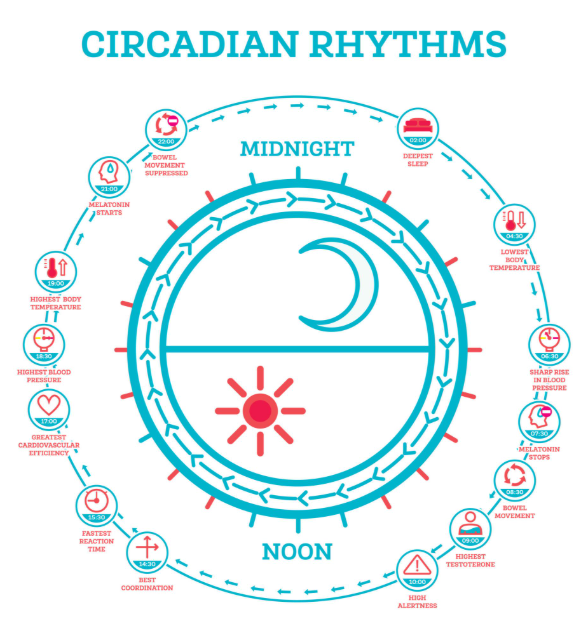
How Sleep Schedules Align With Circadian Rhythm
- The circadian rhythm is a 24-hour internal clock regulated by light exposure
- Morning light advances wakefulness and alertness
- Evening darkness triggers melatonin release
- Consistent sleep and wake times strengthen circadian alignment
- Irregular sleep schedules disrupt hormone timing and sleep quality
👉 Consistent sleep schedules improve circadian stability and overall sleep health.
The Biology Behind Sleep Timing
Circadian Rhythm and the Master Clock
Your circadian rhythm is governed by a small group of neurons in the brain called the suprachiasmatic nucleus (SCN). This master clock synchronizes bodily processes to the light–dark cycle.
The SCN:
- Responds primarily to light exposure
- Regulates melatonin release from the pineal gland
- Coordinates peripheral clocks in organs like the liver, pancreas, and muscles
Organizations such as the National Institute of Neurological Disorders and Stroke and the American Academy of Sleep Medicine emphasize that sleep timing misalignment can disrupt these systems even without sleep deprivation.
Why Sleep Schedules Matter More Than You Think
Consistency vs. Duration
Research shows that people with irregular sleep schedules experience:
- Higher rates of obesity and insulin resistance
- Increased cardiovascular risk
- Impaired cognitive performance
- Higher all-cause mortality risk
A consistent 7-hour sleep schedule often produces better outcomes than an inconsistent 8-hour schedule.
Social Jet Lag
Social jet lag occurs when weekday and weekend sleep schedules differ significantly. Sleeping late and waking late on weekends shifts circadian timing, creating a physiological state similar to traveling across time zones every week.
Even a 1–2 hour shift can:
- Reduce sleep efficiency
- Delay melatonin onset
- Increase Monday fatigue and mood instability
Chronotype: Why One Schedule Does Not Fit All

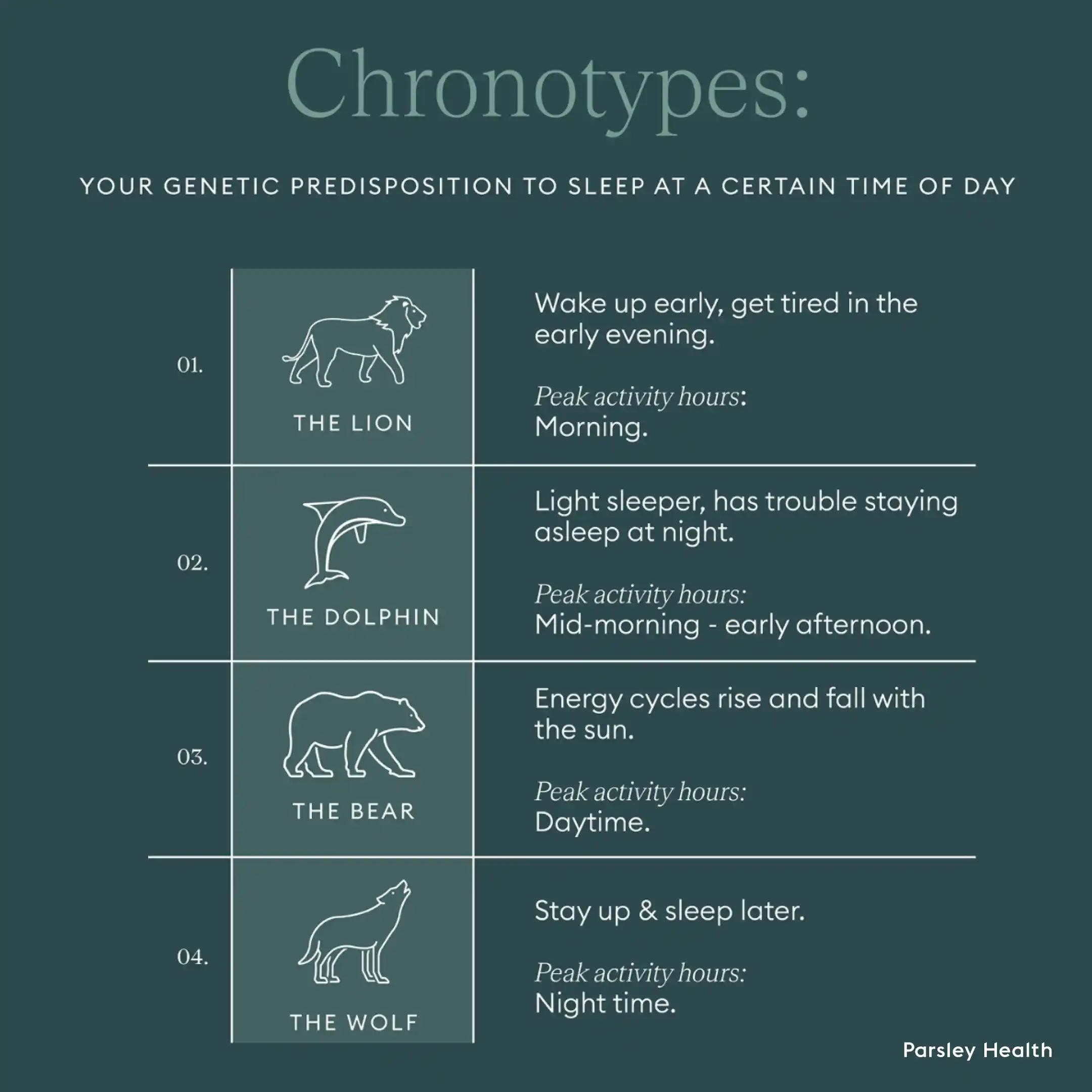

What Is Chronotype?
Chronotype refers to your natural tendency toward earlier or later sleep and wake times. It is partially genetically determined and influenced by age and light exposure.
Common chronotypes include:
- Morning types (larks) – earlier sleep and wake times
- Evening types (owls) – later sleep and wake times
- Intermediate types – fall in between
Sleep schedules that ignore chronotype increase sleep debt and circadian misalignment.
Age and Chronotype Shifts
- Children: naturally earlier chronotypes
- Adolescents: delayed circadian phase
- Adults: gradual shift earlier with age
- Older adults: advanced sleep timing
This biological shift explains why early school start times disproportionately harm adolescent sleep health.
Ideal Sleep Schedules by Age Group
Adults (18–64)
- Recommended sleep duration: 7–9 hours
- Ideal wake time: consistent within ±30 minutes daily
- Optimal bedtime: calculated backward from fixed wake time
Older Adults (65+)
- Slightly earlier sleep onset
- Increased sensitivity to circadian disruption
- Higher importance of morning light exposure
Adolescents
- Biologically programmed later sleep onset
- Require 8–10 hours of sleep
- Early schedules often conflict with circadian biology
Fixed Wake Time: The Anchor of All Sleep Schedules
Sleep science consistently identifies wake time—not bedtime—as the most powerful regulator of circadian rhythm.
Benefits of a fixed wake time:
- Stabilizes melatonin timing
- Improves sleep pressure buildup
- Reduces sleep onset latency
- Enhances sleep efficiency
Even after a poor night’s sleep, maintaining the same wake time supports long-term schedule stability.
How Light Exposure Shapes Sleep Schedules
Morning Light
Morning light exposure:
- Advances circadian phase
- Suppresses residual melatonin
- Improves daytime alertness
- Promotes earlier sleep onset the following night
Outdoor light within the first hour of waking is especially effective.
Evening Light
Evening light exposure:
- Delays melatonin secretion
- Pushes bedtime later
- Reduces REM sleep quality
Blue-wavelength light from screens has a disproportionate effect due to direct signaling to circadian photoreceptors.
Sleep Schedules and Metabolic Health
Circadian misalignment disrupts glucose regulation and appetite hormones.
Irregular schedules are associated with:
- Increased insulin resistance
- Elevated ghrelin (hunger hormone)
- Reduced leptin (satiety hormone)
- Higher risk of type 2 diabetes
Shift workers—who experience chronic schedule disruption—show significantly higher cardiometabolic disease rates even when sleep duration is adequate.
Shift Work and Nontraditional Sleep Schedules
Biological Cost of Shift Work
Shift work forces sleep to occur during circadian “daytime,” when the body is primed for alertness.
Common consequences include:
- Reduced deep and REM sleep
- Fragmented sleep architecture
- Chronic fatigue
- Elevated cardiovascular and cancer risk
The World Health Organization classifies night shift work as a probable carcinogen due to circadian disruption.
Mitigation Strategies
- Strategic light exposure
- Controlled caffeine timing
- Dark sleep environment
- Consistent off-day sleep timing when possible
Sleep Schedules and Mental Health
Sleep timing strongly influences emotional regulation.
Irregular schedules are linked to:
- Increased anxiety
- Depressive symptoms
- Mood instability
- Reduced stress tolerance
Consistent sleep timing improves:
- Amygdala regulation
- Prefrontal cortex function
- Emotional resilience
Sleep schedule regularity is now considered a core component of mood disorder treatment.
Naps and Sleep Schedules
Naps can support alertness—but only when timed correctly.
Best practices:
- Duration: 10–30 minutes
- Timing: before 3–4 PM
- Avoid late-day naps that reduce nighttime sleep pressure
Long or late naps can delay bedtime and disrupt sleep schedules.
Jet Lag and Rapid Schedule Shifts
Jet lag occurs when sleep schedules conflict with local circadian cues.
Eastward travel:
- Requires phase advancement (harder)
- Benefits from early light exposure
Westward travel:
- Requires phase delay (easier)
- Later light exposure is beneficial
Gradual pre-travel schedule shifts reduce severity.
How to Build an Optimal Sleep Schedule (Science-Based)
Step 1: Choose a Fixed Wake Time
Pick a wake time that:
- Matches work/life demands
- Can be maintained 7 days per week
Step 2: Calculate Bedtime
Work backward based on sleep need (7–9 hours).
Step 3: Control Light Exposure
- Bright light in the morning
- Dim light at night
Step 4: Protect the Wind-Down Window
Reduce stimulation 60–90 minutes before bed.
Step 5: Adjust Gradually
Shift schedules in 15–30 minute increments to avoid circadian shock.
Common Sleep Schedule Mistakes
- Sleeping in on weekends
- Using bedtime instead of wake time as anchor
- Late-night screen exposure
- Inconsistent meal timing
- Overusing caffeine to compensate
Sleep Schedules, Performance, and Longevity
Athletes, executives, and high-performers increasingly prioritize sleep timing consistency.
Consistent schedules are associated with:
- Faster reaction times
- Improved learning
- Better immune resilience
- Reduced all-cause mortality
Sleep schedule regularity may be as important as exercise frequency for long-term health.
The Future of Sleep Schedule Science
Emerging research areas include:
- Personalized circadian profiling
- Genetic predictors of chronotype
- Wearable-based circadian analytics
- Schedule-based interventions for chronic disease prevention
As science advances, sleep schedules are becoming a central pillar of preventive medicine.
Final Thoughts: Sleep Timing Is a Health Decision
Sleep schedules are not lifestyle preferences—they are biological instructions. Aligning sleep timing with your circadian rhythm improves nearly every system in the body.
In sleep science, the message is clear:
When you sleep matters almost as much as how long you sleep.
Sleep Schedules FAQ
What is the best sleep schedule for adults?
The best sleep schedule for adults is one that provides 7–9 hours of sleep, aligns with individual chronotype, and remains consistent across all days of the week. Sleep science shows that regular sleep and wake times improve circadian alignment, hormone regulation, and overall sleep quality.
Is it better to go to bed early or wake up early?
From a biological perspective, waking up at the same time every day is more important than going to bed at the same time. A fixed wake time stabilizes the circadian rhythm and improves sleep onset, sleep depth, and long-term schedule consistency.
How much does an inconsistent sleep schedule affect health?
An inconsistent sleep schedule is linked to:
- Increased risk of obesity and diabetes
- Higher cardiovascular disease risk
- Poorer mental health outcomes
- Reduced cognitive performance
Even when total sleep duration is adequate, irregular timing can disrupt circadian regulation and metabolic health.
What is social jet lag?
Social jet lag occurs when sleep schedules differ significantly between workdays and weekends. This mismatch causes circadian disruption similar to traveling across time zones and is associated with fatigue, mood instability, and reduced sleep quality.
How do I know my ideal bedtime?
Your ideal bedtime depends on:
- Your fixed wake-up time
- Your individual sleep need (usually 7–9 hours)
- Your chronotype (morning vs evening tendency)
Working backward from a consistent wake time is the most accurate way to determine bedtime.
What is chronotype and why does it matter?
Chronotype describes your natural tendency toward earlier or later sleep timing. It is influenced by genetics, age, and light exposure. Ignoring chronotype can lead to chronic sleep debt, difficulty falling asleep, and poor daytime alertness.
Can naps affect my sleep schedule?
Yes. Short naps (10–30 minutes) taken earlier in the day can improve alertness without harming nighttime sleep. Long or late naps reduce sleep pressure and can delay bedtime, disrupting your sleep schedule.
How long does it take to fix a sleep schedule?
Most circadian adjustments take several days to two weeks, depending on how large the shift is. Gradual changes of 15–30 minutes per day are more effective and sustainable than abrupt schedule changes.
Are late sleep schedules unhealthy?
Late sleep schedules are not inherently unhealthy if they are consistent and aligned with chronotype. However, late schedules often conflict with work and social demands, increasing circadian misalignment and sleep deprivation risk.
Does meal timing affect sleep schedules?
Yes. Late or irregular meals can delay circadian signals, raise nighttime body temperature, and impair sleep onset. Consistent meal timing supports circadian stability and sleep quality.
Our Free Sleep Timing Tools: Personalized Help for Better Sleep Schedules
Understanding sleep schedules is easier when theory meets personalized timing. Our sleep calculators are designed to help translate sleep science into practical guidance—based on timing, consistency, and circadian principles.
⏰ Sleep Timing Calculator
Find your ideal bedtime or wake-up time based on sleep cycles, recommended sleep duration, and consistent scheduling.
Use this tool if you:
- Want to stop guessing when to go to bed
- Need a schedule that fits work or school demands
- Want to align sleep timing with natural sleep cycles
👉 Try the Sleep Timing Calculator to plan a schedule that works with your biology.
🌙 Bedtime Calculator
Calculate when to fall asleep based on your target wake-up time and optimal sleep cycle timing.
Helpful for:
- Building a consistent bedtime routine
- Avoiding grogginess caused by waking mid-cycle
- Improving morning alertness
👉 Use the Bedtime Calculator to choose a smarter bedtime.
☀️ Wake-Up Time Calculator
Determine the best wake-up time based on when you go to bed and how much sleep your body needs.
Ideal if you:
- Struggle with morning fatigue
- Want a fixed wake time for circadian stability
- Are adjusting to a new sleep schedule
👉 Try the Wake-Up Time Calculator to anchor your sleep schedule.
🧭 Chronotype & Schedule Support Tools
Some calculators help estimate sleep timing tendencies and schedule alignment. These tools are designed to support—not replace—professional guidance and work best when combined with consistent habits and light exposure management.
👉 Explore our sleep tools to better understand your natural sleep timing.
Important Note
Sleep calculators provide general guidance, not medical diagnosis. If you experience persistent sleep problems, excessive daytime sleepiness, or symptoms of a sleep disorder, consult a qualified healthcare provider or sleep specialist.